What About Batteries in Skip Hire?
This is where many people get caught out.
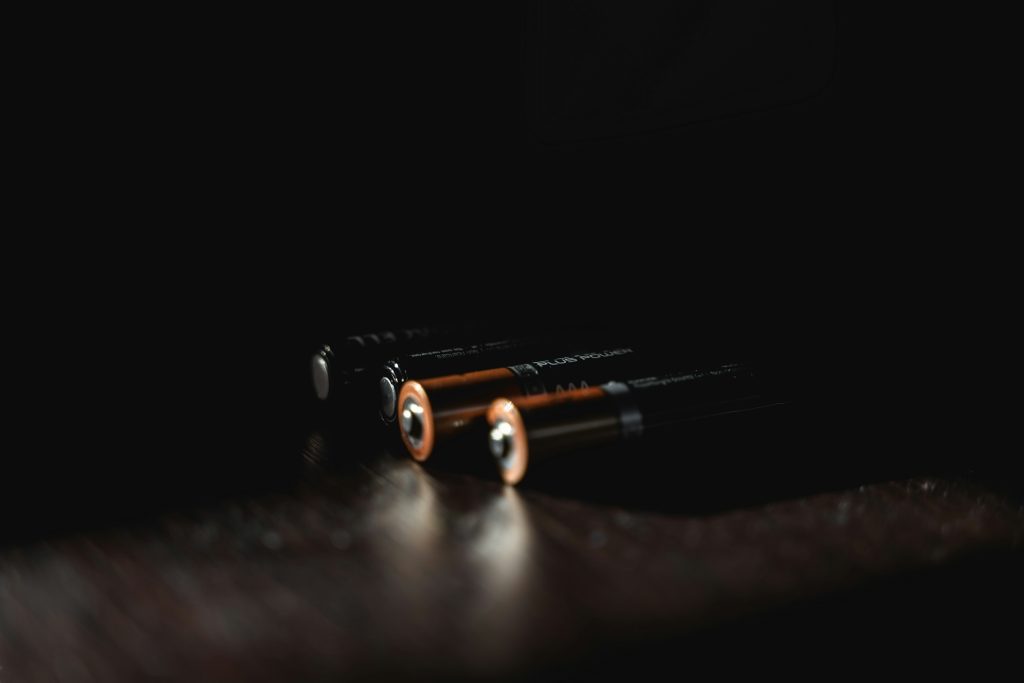
Batteries are not allowed in general waste skips. That includes loose batteries, batteries inside items, rechargeable packs, and lithium-ion batteries.
If you are hiring a skip, it’s important to check what can and cannot go in. You should also separate hazardous items and ask your provider if you are unsure.
If you are dealing with larger volumes, there are dedicated waste collection services for hazardous materials like batteries.
A Simple Check That Can Save You Thousands
There’s always a moment near the end of a job when everything speeds up.
The room is almost clear. The skip is filling up. You’re tired and ready to be done. That’s when decisions become quicker and less careful.
And that’s when things get missed.
Not on purpose. Just naturally.
A toy goes in without a second thought. A drawer gets emptied straight into a bag. A small appliance is thrown away because it’s easier than stopping to take it apart.
Inside those items, hidden where they’ve always been, are batteries.
That’s how mistakes like this happen.
Not through carelessness, but through momentum. People assume that if they can’t see the battery, it isn’t something they need to think about.
But waste doesn’t work like that.
Once something is in the skip, it becomes part of the load. It gets compressed, moved, and transported. If something inside that load is dangerous, like a battery, the consequences happen regardless.
That’s why the “simple check” matters.
It’s not about ticking boxes. It’s about slowing down for a moment.
Before you throw something away, ask yourself:
What’s inside this, not just what is it?
That one question changes everything.
A child’s toy isn’t just plastic.
A remote isn’t just clutter.
A broken tool isn’t just scrap.
They may all contain batteries.
Once you start thinking this way, you begin to notice more. You catch the things most people miss.
And in doing so, you avoid turning a simple clear-out into something far more expensive and stressful.
Before loading a skip, take a moment to check:
- Have all batteries been removed?
- Are there any hidden electronics?
- Could any items contain power sources?
It’s a small step, but it can prevent serious consequences.
Small Items, Big Consequences
What makes this story powerful isn’t the fine itself.
It’s how easy it was to make the mistake.
No one sets out to dispose of waste incorrectly. Most people are just trying to get the job done quickly and without hassle.
But waste management has changed.
Today, even the smallest items need a second thought.
Because sometimes, it’s not the big things that cause problems.
It’s the ones you don’t see.


